Review: One-Eyed Jacks (1961)
'A man can't stay angry for five years, can he?'
★★★★
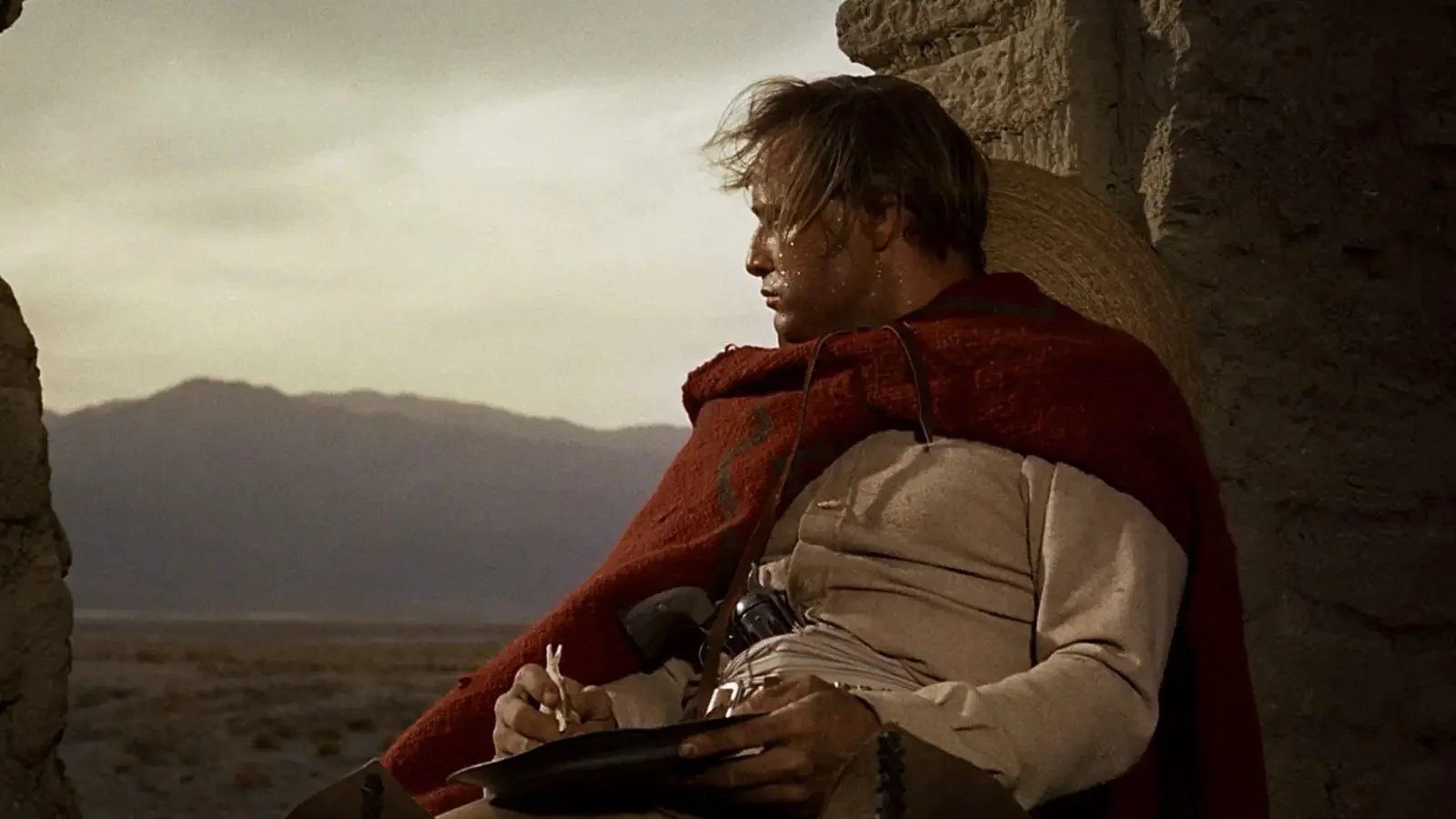
It's hard to depict whether or not a film will be good based on the responses you hear from people until you watch it for yourself. Throughout his career, Marlon Brando has starred in four westerns, and one of them he directed. Now, I've watched a lot of Brando films and have always heard this one come into discussions, mostly because he directed himself. It's also notorious for its troubled production. Looking past all of that, this is actually a marvelous film. Not only does Brando know how to act, he knows how to direct. Brando brings in many styles other than his "method acting." This is no ordinary Western; it's a visually stunning picture, as it combines old and new techniques, and tells a story of love, revenge, and betrayal. Marlon Brando was a genius.
The plot starts out with two guys who rob a bank. Dad Longworth (Karl Malden) tells his partner and friend, Rio (Marlon Brando), that he'll come back with two horses, only to leave him for dead. Rio later gets captured and arrested for five years, while Dad takes the loot and becomes a sheriff in a town in California. Five years later, Rio and his new friend, Chico Modesto (Larry Duran), escape the prison and begin the search for Dad Longworth. When they find out he's in California, Rio learns he's become a sheriff, which is no deterrent, but when Rio falls for Dad's stepdaughter, Louisa (Pina Pellicer), he has second thoughts.
This is a tale of friendship, betrayal, romance, and revenge. It's a mixture of those genres that tells a wonderful story. When this film was released back in 1961, it flunked at the box office due to the film's plot, direction, and overall different style from other Westerns, like John Wayne's, for example. 60 years later, it's hailed as a cult classic now, with directors like Steven Spielberg and Marty Scorsese working hard to restore the film and upscale it to a higher quality. Now, after watching the film myself, I get it and agree with them.
This film is notorious for its troubled production. Brando hired and fired many people and waited hours to get the perfect shot of the waves coming in. Before Brando directed the film, Stanley Kubrick was hired but fired immediately because the two couldn't get along and had many disagreements. Had Kubrick directed, he and Brando would've gotten into many arguments. So, it was probably for the best. With all of that aside, however, the film, in my opinion, still looks great and is a great film overall.
The film not only showcases Brando's talents in front of the camera but also highlights his innovative approach to filmmaking. He took risks that were unconventional for that era, incorporating elements that would later influence a wave of filmmakers. For instance, the way he captures the landscapes and the emotional intensity between characters is truly groundbreaking. The cinematography is striking, blending breathtaking visuals with raw, intimate moments that pull the audience into the story.
One of the most compelling aspects of Brando’s direction is how he allows the characters to breathe. He takes the time to develop their motivations, making the audience invested in their journeys. The chemistry between Rio and Louisa is palpable, and their interactions are layered with tension and desire, reflecting the conflict that ultimately drives the narrative forward. It’s a love story wrapped in a revenge tale, making for a deeply engaging experience.
The score also adds to the film’s uniqueness. The music resonates with the heart of the story, enhancing the emotional weight of each scene. The score complements the visuals, creating an atmosphere that is both haunting and beautiful. It’s a reminder of how integral music can be to storytelling, especially in a genre that often relies heavily on its score to set the mood.
Looking back, I can see why this film has resonated with directors and film enthusiasts over the years. Its unconventional take on the Western genre and Brando's multifaceted performance continue to inspire new generations. It challenges the norms established by earlier Westerns and invites viewers to think critically about themes such as loyalty and betrayal.
In today’s cinematic landscape, where remakes and reboots are prevalent, it’s refreshing to see how a film like this has managed to reclaim its place in film history. Its resurgence speaks volumes about the timeless nature of its themes and the artistry behind its creation. If anyone has the opportunity to watch it, I highly recommend giving it a chance. It’s a film that may surprise you and offer a fresh perspective on a genre that often feels predictable.